SUJÁN JAWAI With Older Kids: A Luxury Family Safari in Rajasthan
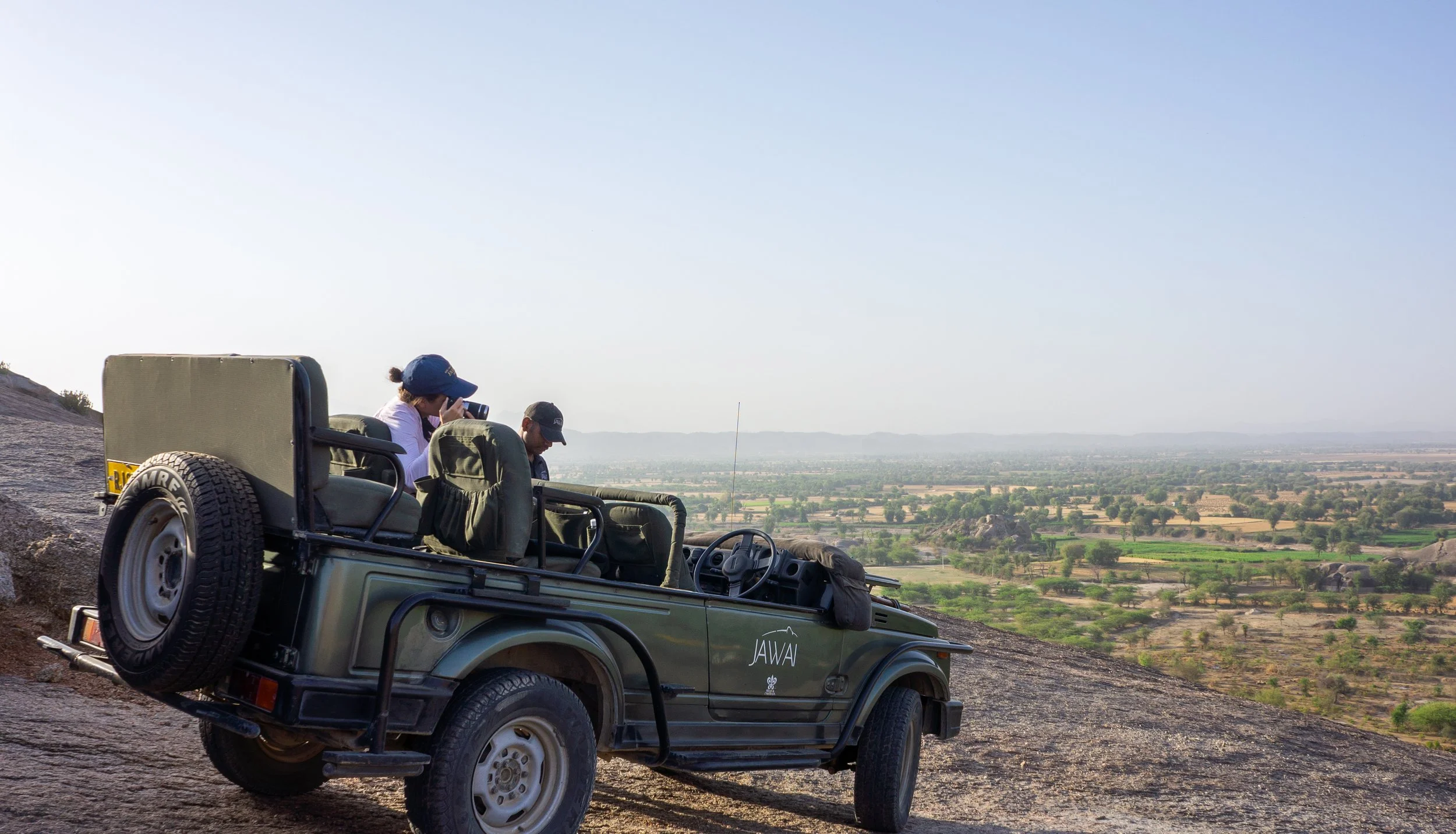
Some family hotels are built around swimming pools, children’s menus and organised entertainment. SUJÁN JAWAI offers something far more memorable: the chance to wake before sunrise, cross Rajasthan’s ancient granite wilderness with an expert ranger and search for wild leopards among the rocks.
Set between Udaipur and Jodhpur, we visited when we were making our way from Jodhpur to Udaipur. This intimate luxury camp combines safari adventure with beautiful tented accommodation, exceptional food and meaningful encounters with the Rabari herding community. It is the perfect stop if you are travelling throughout Rajasthan and want to add a bit of wilderness to It welcomes families, but it is especially rewarding for older children who can embrace early starts, long periods of wildlife watching and the thrill of learning to read the landscape.
The camp’s Junior Ranger programme brings the experience to life through animal tracking, bird identification, photography, conservation activities and time with the naturalists. Rather than simply seeing a leopard and moving on, children begin to understand the habitat, the people who share it and the careful balance that allows wildlife and local communities to coexist.
For families planning an extraordinary Indian adventure, SUJÁN JAWAI deserves a place among the world’s best safari hotels.
[Affiliate disclosure: This article may contain affiliate links. If you book through one of these links, UKI Travels may receive a small commission at no additional cost to you.]
Where is SUJÁN JAWAI?
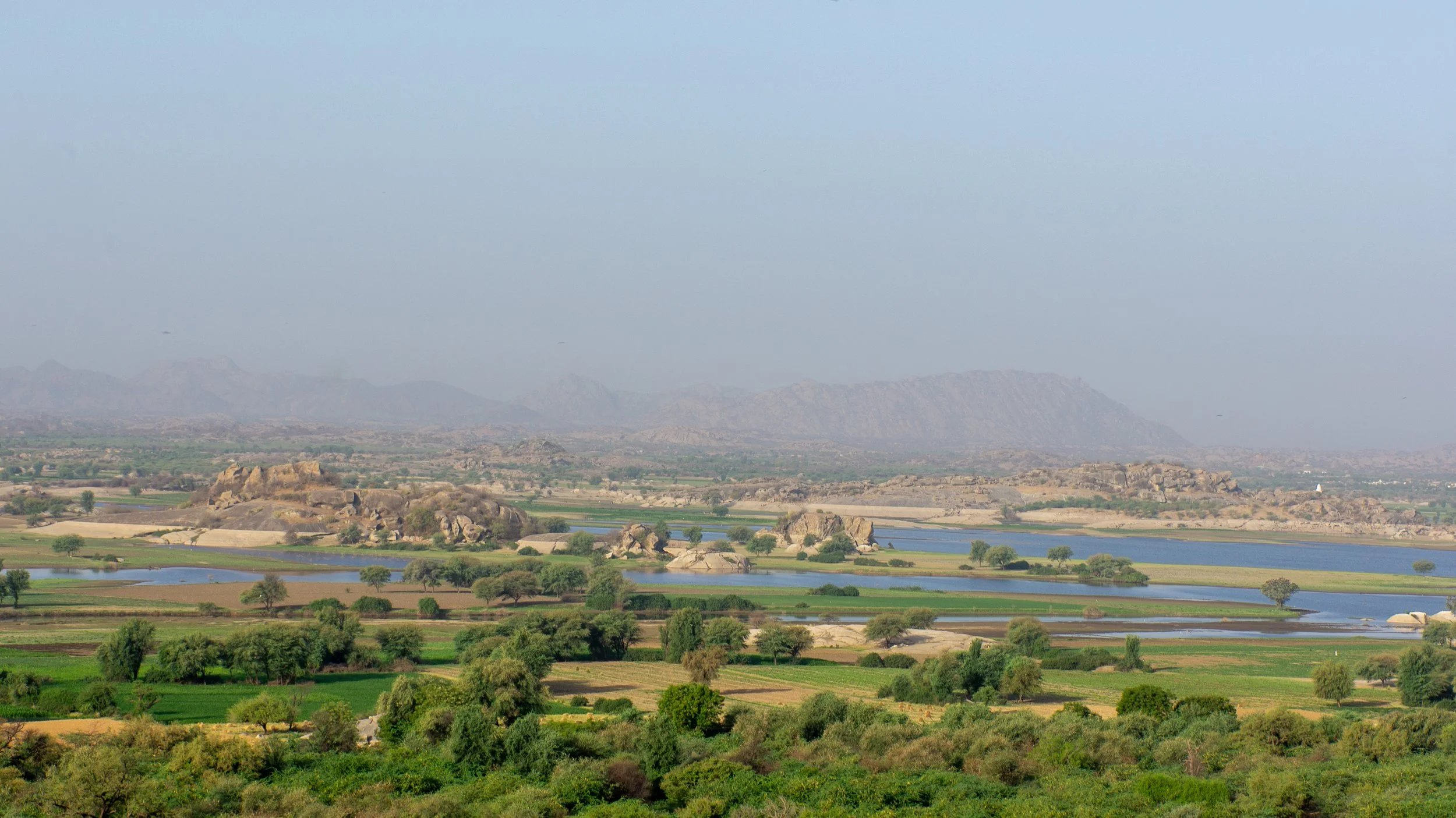
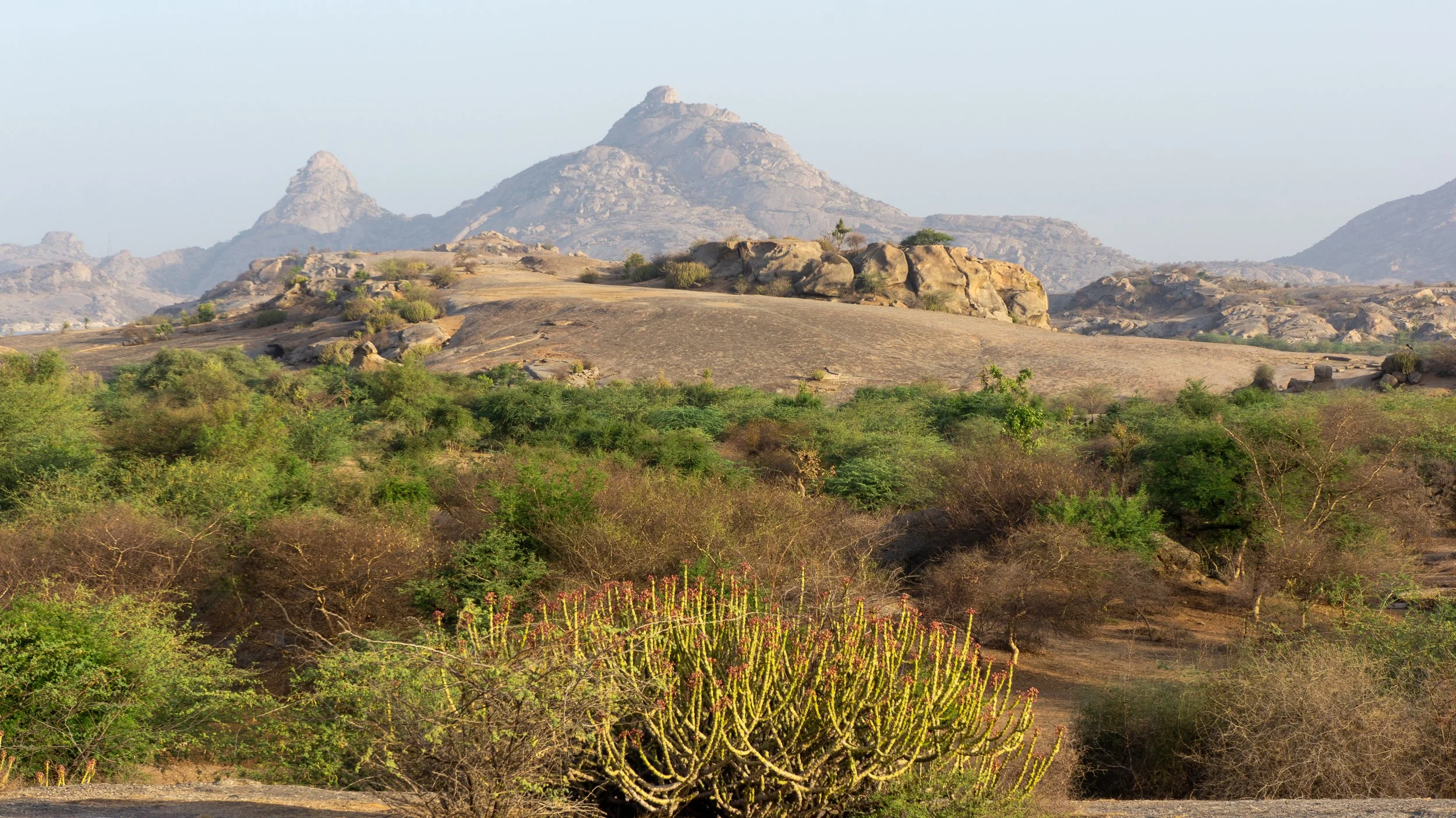
Part of Relais Chateaux, SUJÁN JAWAI lies in Rajasthan’s Pali district, in a striking landscape of weathered granite hills, open grassland, riverbeds and the wetlands surrounding Jawai reservoir. Leopards live among the caves and rocky outcrops, alongside hyena, jackal, antelope, wild boar, crocodiles and abundant birdlife.
Unlike a conventional national-park safari, Jawai’s wilderness is woven together with farms, villages, temples and the grazing routes of Rabari herdsmen. Humans and leopards have lived in unusual proximity here for generations, shaped partly by the community’s spiritual respect for the animals.
The setting gives families more than a wildlife holiday. It becomes an introduction to ecology, faith, rural life and community-led conservation, all within one remarkable landscape.
Why SUJÁN JAWAI is best for older children
Children of all ages are welcome, and the camp provides family accommodation and activities. However, we believe Jawai is at its best with school-age children, tweens and teenagers as they are required to be patient and quiet during the tracks and drives.
The safari rhythm asks something of its guests. Morning drives often begin before sunrise, sightings require patience and the vehicles travel across rugged terrain. Wildlife cannot be summoned on demand, and the magic frequently lies in following tracks, scanning distant rocks and listening to the guides interpret small clues.
Older children are more likely to appreciate:
The excitement of tracking rather than guaranteed sightings
Pre-dawn departures and late-afternoon drives
The geology and scale of the granite landscape
Birding, photography and animal identification
Conversations with naturalists and Rabari guides
Longer walks, hikes and cultural visits
Quiet evenings without conventional resort entertainment
There is no need to wait until the teenage years, but families should consider each child’s temperament. A curious eight-year-old who loves animals may gain more from Jawai than an older teenager who dislikes early mornings or sitting quietly.
The safari experience: tracking Jawai’s leopards
The defining SUJÁN experience is its privately guided wilderness drive. Guests head into the granite hills and riverbeds with expert field guides and trackers, looking for signs of Jawai’s resident leopards while learning about the entire ecosystem.
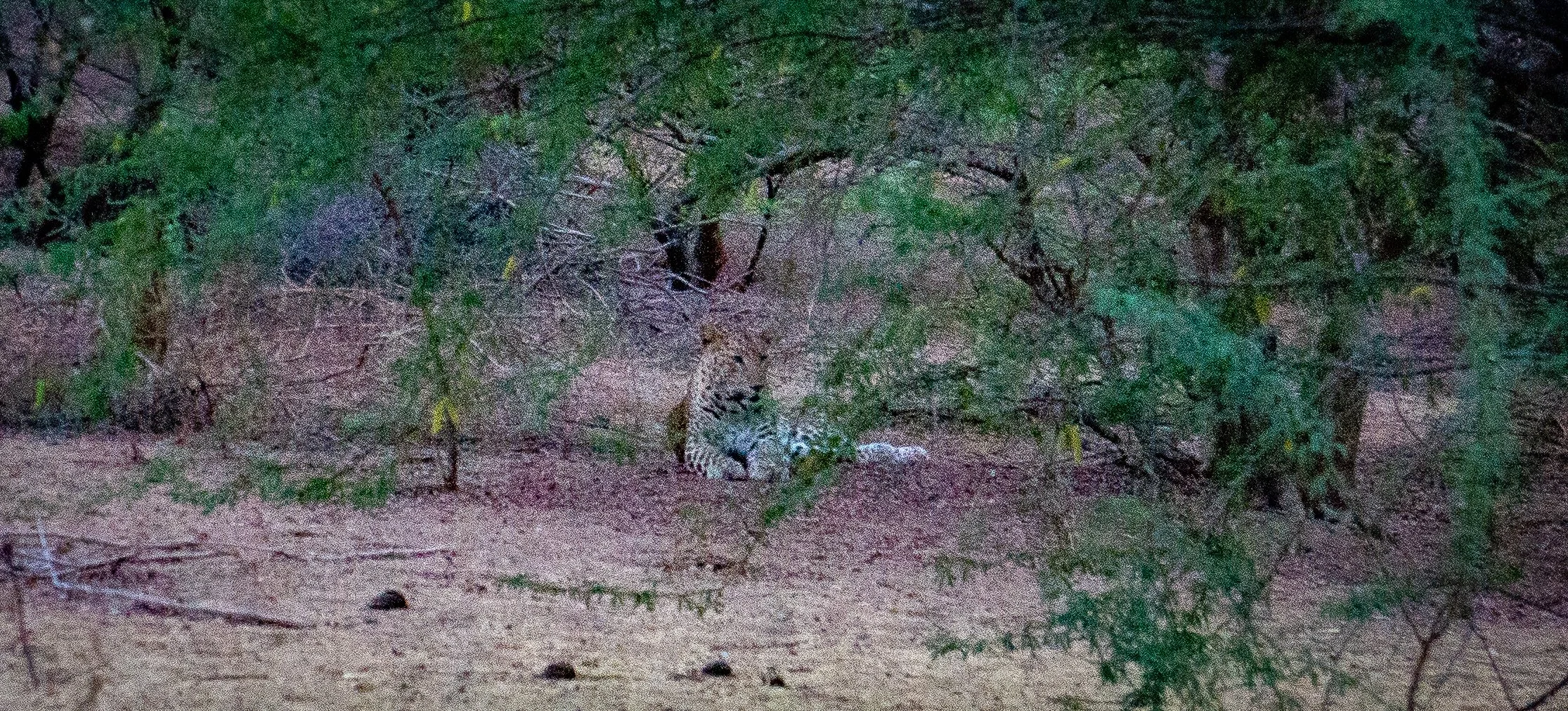
The landscape makes these drives feel wonderfully cinematic. Leopards may rest on a high outcrop, move between caves or appear against the enormous boulders. The search can also reveal antelope, wild boar, langurs, crocodiles and a remarkable variety of birds.
No responsible safari can promise a leopard. The animals are wild, and their freedom is precisely what makes a sighting so powerful. Preparing older children for that uncertainty helps them enjoy the tracking process rather than judging every drive only by its final photograph.
A typical safari day may include an early-morning drive, a long breakfast and rest at camp, followed by another drive in the softer late-afternoon light. Exact timings change with the season, conditions and wildlife movements.
Why private wilderness drives work well for families
Private vehicles make a considerable difference when travelling with children. The ranger can adapt the pace, explain sightings at an appropriate level and spend more time on whatever captures the family’s attention—whether that is a leopard, an owl, tracks in the dust or a Rabari herder moving livestock through the landscape.
Families should ask before booking whether their rate includes private or shared drives and how many activities are included each day. Confirm maximum vehicle occupancy, minimum ages, refreshments and whether booster seats or additional safety equipment are available.
The terrain can be steep and rough. Everyone should remain seated when instructed, keep limbs inside the vehicle and follow the guide’s directions without exception.
The Junior Ranger programme
SUJÁN’s Junior Ranger programme is one of the best reasons to bring older children. It places wildlife and the outdoors at the centre of the stay, turning each activity into an opportunity to observe, record and understand.
The programme currently includes a Junior Ranger T-shirt and cap, a bird book, wildlife checklist and activity materials. With the ranger, children may:
Learn to identify animal tracks and signs
Practise wildlife photography
Spot and record birds
Collect naturally shed feathers where permitted
Visit the farm to collect eggs and meet animals
Pick vegetables from the kitchen garden
Draw, paint and learn in the Cubs Den
Explore the links between habitat, wildlife and people
The exact schedule is personalised and may vary with age, weather, season and the ranger team. Parents should request the programme before arrival and explain their children’s interests. A teenager keen on photography will need a different experience from a younger child fascinated by footprints.
Although the name suggests a children’s activity, older kids can take it much further. Encourage them to keep a field journal, record species, map sightings and ask the naturalists about leopard behaviour, camera-trap research and conservation pressures.
Birding at Jawai
The camp reports more than 240 resident and migratory bird species across the reservoir, grasslands and granite hills. Possible sightings include flamingos, demoiselle cranes, bar-headed geese, pelicans, owls, kingfishers and bee-eaters, depending on the season.
Birding is a useful safari skill for children because there is almost always something to observe, even when the leopards remain hidden. A pair of binoculars and a checklist can turn the drive into a challenge without reducing wildlife to a race.
Teens interested in photography should bring a camera they understand rather than complicated equipment they are afraid to use. Ask the ranger for help with light, movement and respectful distances.
Walking and hiking with the Rabari
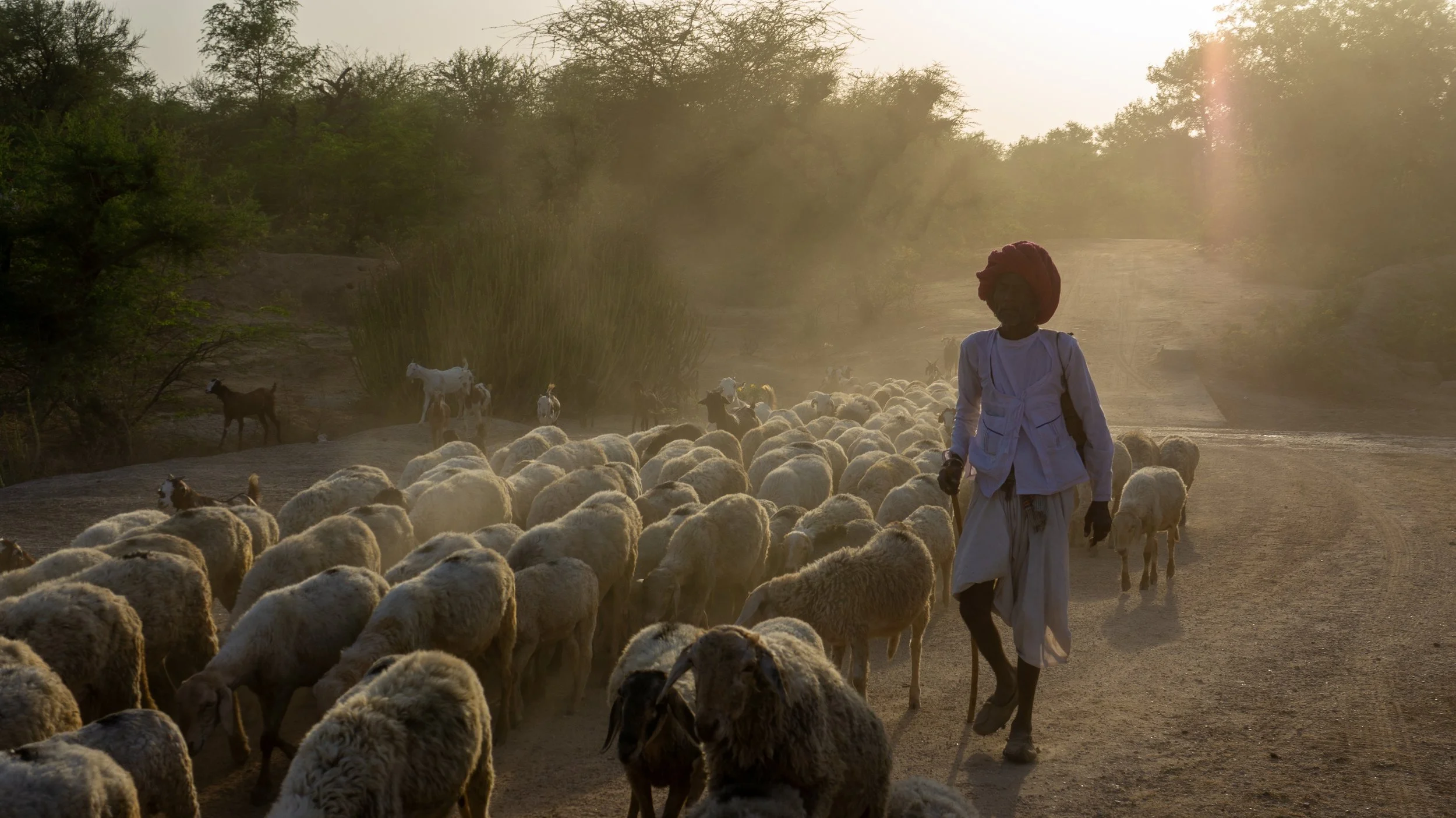
Guided walks offer a different perspective from the safari vehicle. Members of the Rabari community share their knowledge of the grasslands, riverbeds and granite hills, revealing details that are easily missed when travelling by jeep.
Families can choose anything from a gentle walk to a more demanding hike. Older children who are steady on uneven terrain may enjoy climbing towards panoramic viewpoints, while a village-level walk suits a wider range of abilities.
This is wild country, so guests should never wander independently beyond designated camp areas. Wear closed shoes, carry water, use sun protection and follow the guide’s instructions.
Village visits and life with the Rabari community
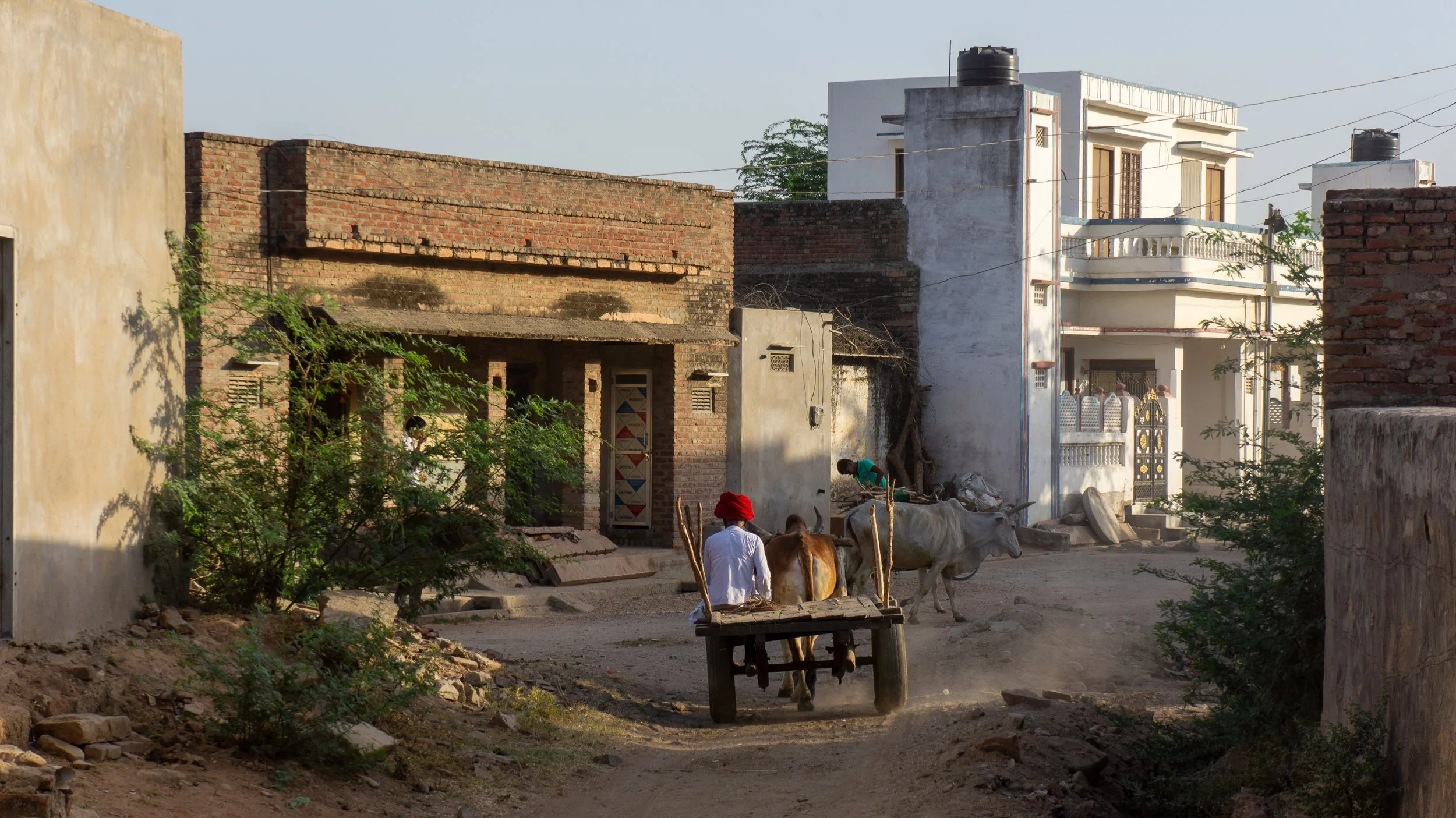
The Jawai story is inseparable from the people who live alongside its wildlife. Village visits introduce families to Rabari homes, local trades, customs and the realities of rural Rajasthan.
Handled thoughtfully, this can be one of the most meaningful parts of the trip for older children. It encourages questions about how communities share land with predators, how tourism supports employment and education, and what responsible travel should look like.
This is not a staged attraction. Dress respectfully, ask before taking photographs and follow the guide’s lead. Encourage children to engage with curiosity without treating anyone’s home or daily life as a spectacle.
Visiting SUJÁN’s community projects
SUJÁN supports local schools and community programmes around Jawai. Guests may be able to learn about these projects and see how the conservation contribution associated with their stay supports education, health and sanitation initiatives.
For older children, this adds valuable context. Conservation is not only about protecting charismatic animals; it must also work for the people who share the landscape. Ask the camp what visits are appropriate during your stay and whether there is a useful way to support projects without bringing unsolicited gifts.
Horse riding through the wilderness
Experienced and confident riders can explore Jawai on Marwari horses, Rajasthan’s distinctive inward-curving-eared breed. Routes may cross fields, riverbeds and rocky terrain under the supervision of the camp’s riding team.
Riding can be a memorable activity for teenagers, but suitability depends on height, experience and current ground conditions. Confirm minimum ages, helmet provision and whether beginners can take a gentler introductory session.
Temple trails
Jawai’s hills contain hundreds of temples, shrines and memorials. A guided temple trail can include local stories, religious traditions and a daily aarti ceremony, alongside an explanation of why leopards are sometimes regarded as guardians of the area.
Older children studying religion, history or geography may find this particularly engaging. Dress conservatively, remove shoes when instructed and follow local guidance around photography and ceremonies.
Ranakpur and Kumbhalgarh
Families staying at least three nights can add a longer cultural excursion. The intricately carved Jain temples at Ranakpur are less than an hour from the camp, while the 15th-century Kumbhalgarh Fort is around 60–90 minutes away and forms part of Rajasthan’s UNESCO-listed hill forts.
Combining both creates a rewarding half- or full-day outing with a guide and packed lunch. It is an excellent complement to the wildlife drives, particularly for teens who enjoy architecture and history.
Life at camp between safaris
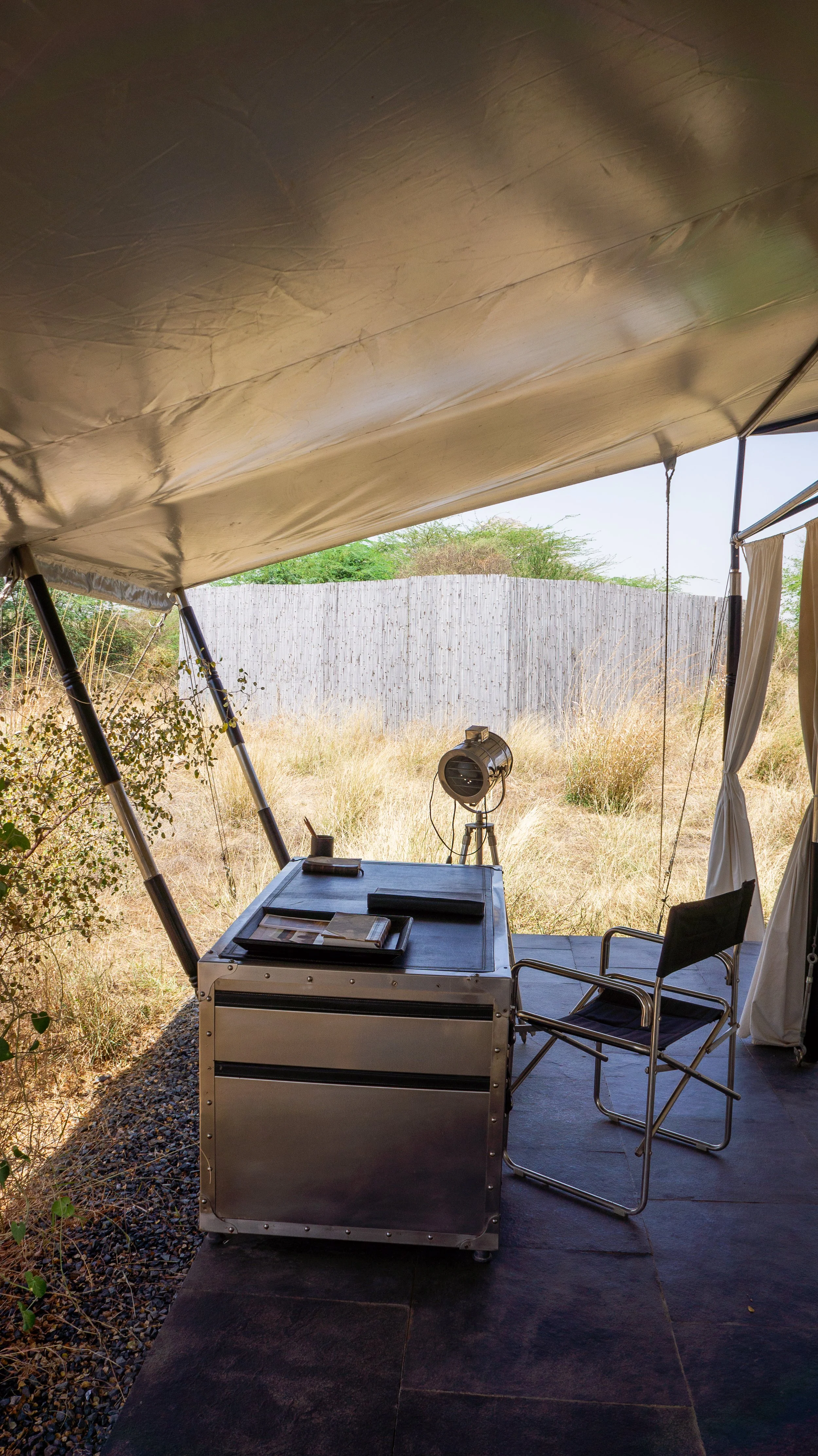
Safari days naturally include downtime. SUJÁN JAWAI has a heated outdoor pool, spa and communal areas, while the tents have private verandahs overlooking the landscape.
Older children can use the quiet hours to swim, read, sort photographs or update a wildlife journal. The camp is designed around stillness rather than constant entertainment, so it helps to set expectations before arrival.
Wi-Fi may be available, but this is a rare opportunity to step away from screens. A pair of binoculars, sketchbook, book and pack of cards are more in keeping with Jawai’s rhythm.
Choosing the best accommodation for families
The Family Felidae Suite
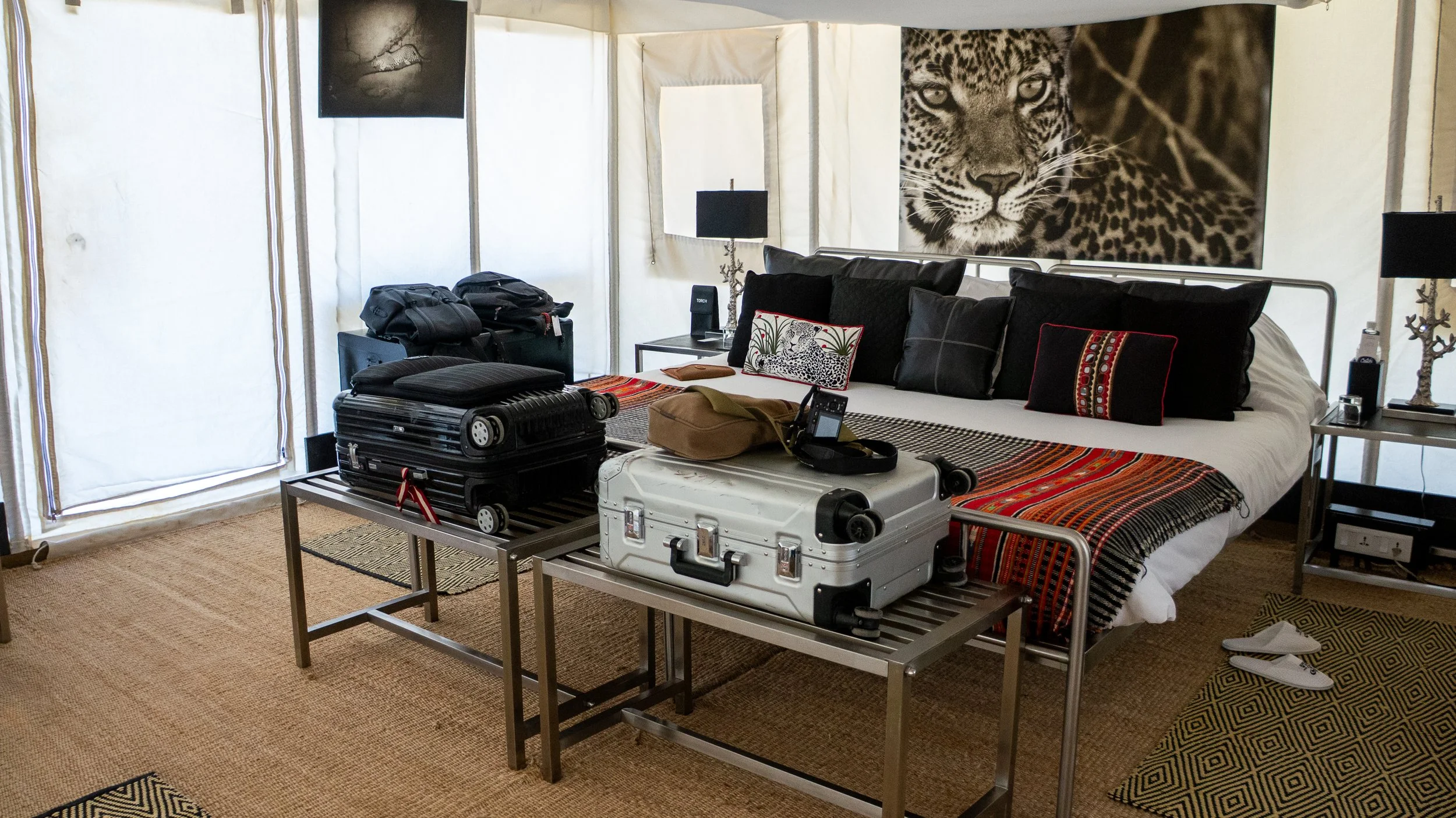
The Family Felidae Suite is the natural option for a family, comprising two tented bedrooms connected by a shared plinth and verandah. Current listings show space for up to five guests, but parents should confirm the exact bed configuration and age-based occupancy directly.
The connected layout gives older children a degree of independence without placing them in a completely separate part of the camp. It is likely to be the best balance of space, supervision and authentic tented-camp atmosphere.
Eden at Jawai
For larger or multigenerational families, Eden at Jawai is a private three-bedroom encampment with its own entrance, pool, boma, lounge and dining space. It sleeps up to six according to current listings and offers exceptional privacy.
Eden is a major investment, but sharing it between grandparents, parents and older children could create a remarkable private safari experience.
Tented Rock Suites
Individual Rock Suites accommodate fewer guests and may suit a parent travelling with one older child or families booking multiple tents. Before choosing separate suites, ask about their distance from one another and the camp’s rules on children occupying a tent without an adult.
Safari camps are open to the surrounding environment. Families must follow escort and after-dark movement policies, even with mature teenagers.
What are the tents actually like?
This is luxurious camping rather than a rustic night under canvas. The tented suites combine contemporary interiors with en-suite bathrooms, hot showers or baths, private verandahs and thoughtful service.
Even so, canvas does not provide the same sound insulation as a conventional hotel room. Wildlife, birds, wind and other camp sounds form part of the experience. Teenagers who understand this usually find it thrilling; light sleepers should bring earplugs.
Temperatures can also change dramatically between afternoon and pre-dawn. Pack layers rather than assuming Rajasthan is always hot.
Food and family dining
SUJÁN JAWAI operates on a full-board basis, with menus shaped by seasonal produce from the camp’s gardens and nearby farms. Meals combine regional Rajasthani cooking with carefully prepared international dishes.
Dining locations may move with the day: breakfast in the wilderness, lunch at camp, sundowners overlooking the landscape or dinner beneath the stars. This sense of theatre makes mealtimes part of the safari rather than a pause from it.
Children’s menus, early dinners, snacks and highchairs are listed among the family services. Share dietary requirements and strong preferences before arrival, particularly for allergies. Older children should be encouraged to try regional dishes, while knowing that familiar alternatives can be arranged.
Ask exactly what the full-board rate covers, including drinks, private dining and bush meals.
How long should families stay?
Three nights is the sweet spot for most families. It allows several wilderness drives without making the stay feel frantic, plus time for a Junior Ranger session, pool, village walk or cultural excursion.
Two nights can work within a longer Rajasthan itinerary, but a delayed arrival or quiet first safari leaves little flexibility. Four nights suits serious wildlife enthusiasts, photographers and families wanting to visit both Ranakpur and Kumbhalgarh.
A suggested three-night family itinerary
Day 1: Arrive for lunch, settle into the Family Felidae Suite and meet the ranger. Take a late-afternoon wilderness drive, followed by sundowners and dinner beneath the stars.
Day 2: Pre-dawn leopard drive and bush breakfast. Rest and swim during the warmest hours while the children begin Junior Ranger activities. In the afternoon, join a birding drive or photography-focused safari.
Day 3: Walk with a Rabari guide and visit a nearby village or community project. After lunch, choose horse riding, a temple trail or another wilderness drive.
Day 4: Final early safari, leisurely breakfast and departure towards Udaipur, Jodhpur or Ranakpur.
If leopard sightings are a priority, keep the itinerary flexible and let the naturalists guide the timing.
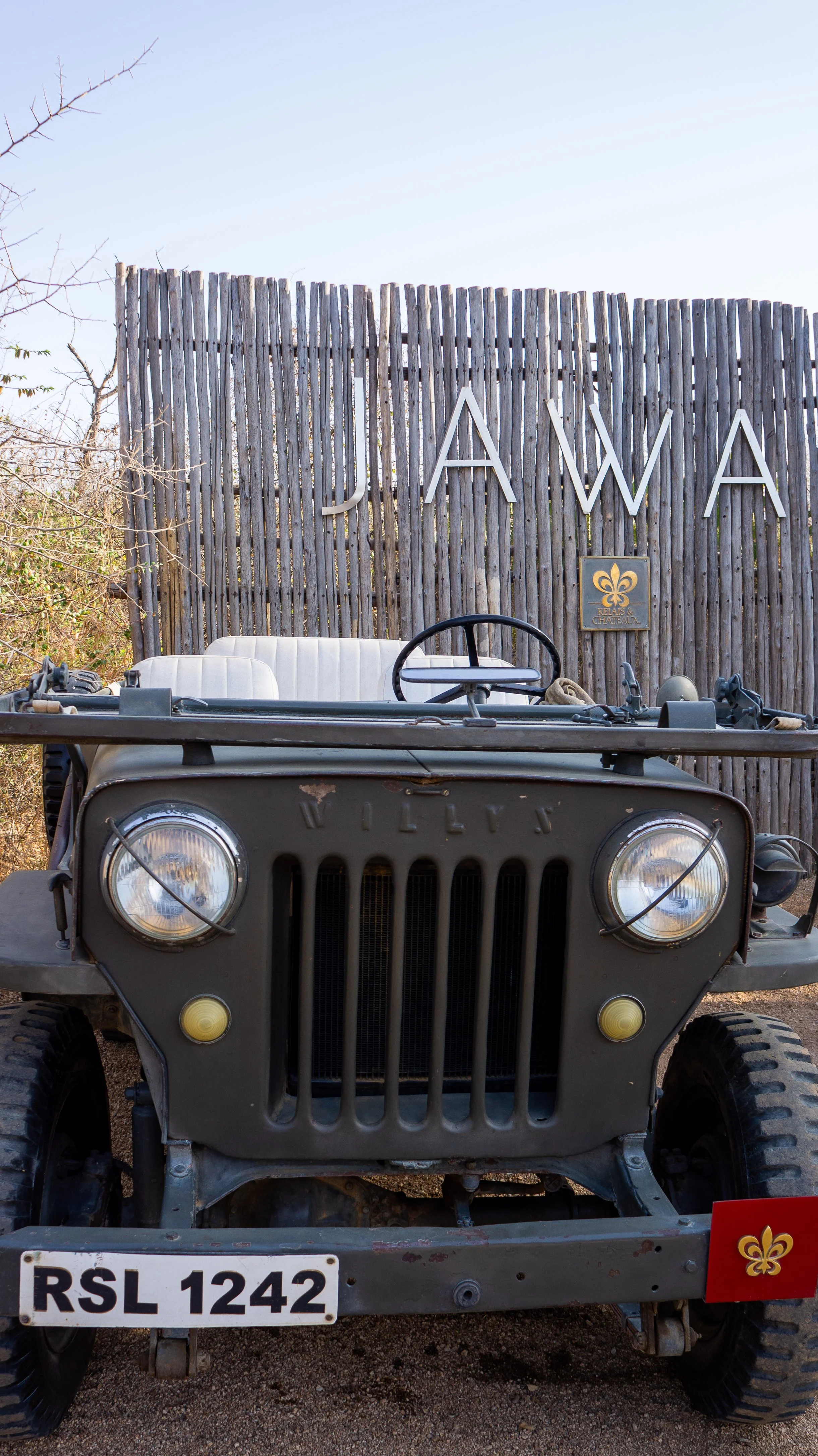
How to reach SUJÁN JAWAI
The camp lists Udaipur at approximately 160 kilometres and Jodhpur at 165 kilometres away, with a road journey of roughly two and a half hours from either city in normal conditions. Both airports connect with Delhi and Mumbai, and the hotel can arrange private transfers.
Jawai Bandh railway station is around 20 minutes from camp, making rail a possible addition to a Rajasthan itinerary. Families should choose first-class air-conditioned accommodation where available and confirm the station transfer with SUJÁN.
An appealing route is:
Udaipur → SUJÁN JAWAI → Jodhpur, or the reverse.
This breaks the overland journey between two major Rajasthan cities while giving children a completely different experience between palaces and forts.
When is the best time to visit?
SUJÁN JAWAI is a seasonal camp, generally operating from late September until late April. Always verify exact opening dates before arranging flights.
The cooler months from November to February are comfortable for families, but early-morning drives can be surprisingly cold. March and April are hotter, particularly in the middle of the day, although wildlife viewing can still be rewarding.
Pack:
Neutral, lightweight clothing
Warm layers for morning drives
Closed walking shoes
Sun hat and high-SPF sunscreen
Binoculars for each interested child if possible
Refillable water bottle
Camera with spare batteries
Small field journal and pencils
Any essential medication
Avoid camouflage clothing, which has restrictions in some countries and is unnecessary for a guest safari.
Wildlife and family safety
SUJÁN’s guides are responsible for interpreting current conditions, but parents remain responsible for ensuring that children follow instructions.
Never leave the camp or walk into the wilderness without an authorised guide
Use escorts after dark whenever instructed
Keep voices low during sightings
Remain seated in the safari vehicle when asked
Never feed or approach wildlife
Wear closed shoes around camp at night
Shake out shoes and clothing before putting them on
Carry prescribed medication and disclose relevant allergies
Use travel insurance covering safari activities, riding and hiking as applicable
Families should seek personalised medical advice about vaccinations, mosquito-borne illness and food or water precautions well before travelling to India.
Why Jawai should not be compared directly with Ranthambore
Ranthambore is famous for tigers and operates within a national-park system. Jawai is a different kind of experience: an inhabited, culturally layered landscape known for wild leopards living among granite hills, temples and pastoral communities.
Neither replaces the other. Combining them creates a superb wildlife itinerary, but families should allow sufficient travel time and avoid turning the holiday into a race between sightings.
Jawai’s strength lies in intimacy. Private guides, a tiny camp and the absence of mass safari traffic allow children to ask questions and understand a landscape rather than simply pass through it.
Is SUJÁN JAWAI worth it with older kids?
Yes, for curious children who are ready to engage with the natural world, it can be transformative.
The experience is not built around instant gratification. There may be cold starts, bumpy tracks and hours when the leopard remains invisible. But those moments teach observation and patience, making a sighting feel earned rather than delivered.
The Junior Ranger programme gives children the vocabulary and skills to participate: identifying tracks, studying birds, practising photography and understanding conservation. The Rabari encounters and community projects then show that protecting wildlife is inseparable from respecting people and place.
SUJÁN JAWAI is expensive, remote and deliberately quiet. It is also the kind of hotel that can change how older children see travel—not as a list of attractions, but as a chance to look closely, listen carefully and become part of a much bigger story.
For UKI Travels, that makes it one of India’s very best family safari hotels.