Qing Chen Mountain I China
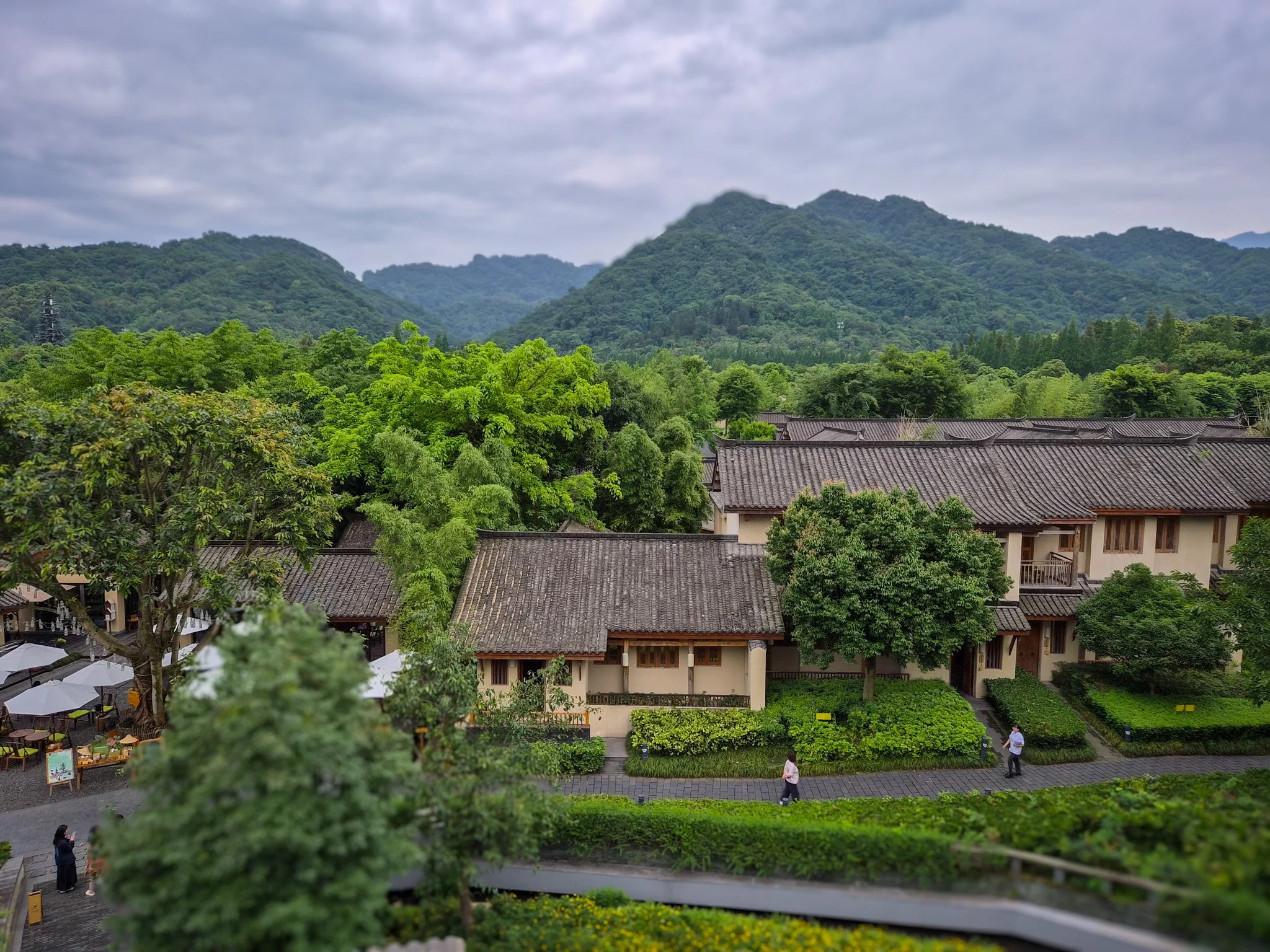
Six Senses Qing Chen Mountain
Step Into Serenity: Where Mountain Air Meets Mindful Escape
Nestled in the rolling foothills of Qing Chen Mountain just outside Chengdu, a new era of countryside wellness is unfolding—one that blends luxury with authenticity, and stillness with discovery. Imagine waking to the soft rustle of bamboo swaying in the alpine breeze, mist curling around terraced tea gardens, and the distant chime of temple bells carried on the wind. This is more than a getaway; it’s a conscious retreat into nature’s rhythm, designed for travelers seeking deeper connection without sacrificing comfort.
In recent years, eco-conscious travelers have increasingly turned to China’s western provinces for immersive mountain experiences that balance cultural richness with sustainable design. Sichuan, in particular, has emerged as a hotspot for mindful tourism, where traditional architecture, organic cuisine, and holistic therapies converge in breathtaking settings.
In this journey, you’ll explore:
How mountain elevation and natural acoustics enhance restorative sleep
The role of biophilic design in reducing travel-related stress
Why locally sourced herbs and thermal elements are redefining wellness
Tips for navigating rural access while maximizing comfort and connectivity
Prepare to uncover how thoughtful design and natural immersion can transform a simple trip into a revitalizing ritual.

Journey into the Heart of Panda Conservation in Wolong
Nestled in the lush, mountainous terrain of Sichuan Province, the Wolong Panda Center stands as a cornerstone of giant panda preservation and research. For travelers passionate about wildlife and conservation, a visit here offers more than just a chance to see these iconic black-and-white bears—it’s an immersive experience into the science and dedication behind species survival.
Established decades ago in response to declining panda populations, the center has evolved into a leading facility integrating breeding programs, habitat restoration, and ecological education. Visitors walk along elevated boardwalks through bamboo-dense enclosures, observing pandas in environments designed to mimic their natural wild habitats. This conservation-focused model ensures animals maintain natural behaviors, preparing some for eventual reintroduction into protected wild reserves.
What travelers often find most impactful is the opportunity to witness panda daily routines—from playful cubs tumbling in outdoor yards to adults quietly munching on fresh bamboo. Early mornings offer the best viewing, as pandas are most active during cooler hours.
Educational signage and optional guided walks provide insights into panda diet, breeding challenges, and the role of Sichuan’s unique ecosystem in sustaining biodiversity. Travelers leave not only with photos but with a deeper understanding of how conservation tourism supports long-term wildlife protection.

Red Panda at Panda Valley
Step Into the Wild at Panda Valley: Where Conservation Meets Connection
Nestled in the lush embrace of Sichuan’s mountainous terrain, Panda Valley offers an immersive escape for travelers seeking authentic wildlife experiences rooted in ecological stewardship. Far more than a viewing platform, this sanctuary is designed to deepen understanding of Ailuropoda melanoleuca—the giant panda—through carefully curated habitats that mirror natural bamboo forests and sloped terrain.
Visitors walk elevated boardwalks that weave through dense groves, offering unobstructed sightlines to pandas foraging, resting, and playing with minimal human disruption. The layout prioritizes animal well-being while maximizing educational value—interpretive signage details panda behavior, dietary needs (99% bamboo!), and ongoing rewilding efforts critical to species survival.
One of the most impactful moments comes during feeding rotations, where trained naturalists explain how conservationists match bamboo species to individual panda preferences, a detail often overlooked in broader wildlife discussions. Families especially benefit from designated observation zones equipped with interactive touchscreens that translate scientific research into engaging, child-friendly formats.
What to consider before going:
Arrive early to catch pandas during peak activity hours
Focus on guided zones where staff offer real-time insights
Respect quiet areas and photography restrictions to support low-stress environments
Whether you're drawn by the allure of spotting a panda cub on its first outdoor venture or seeking meaningful ways to teach children about biodiversity, Panda Valley stands as a model of ethical ecotourism in Southwest China.
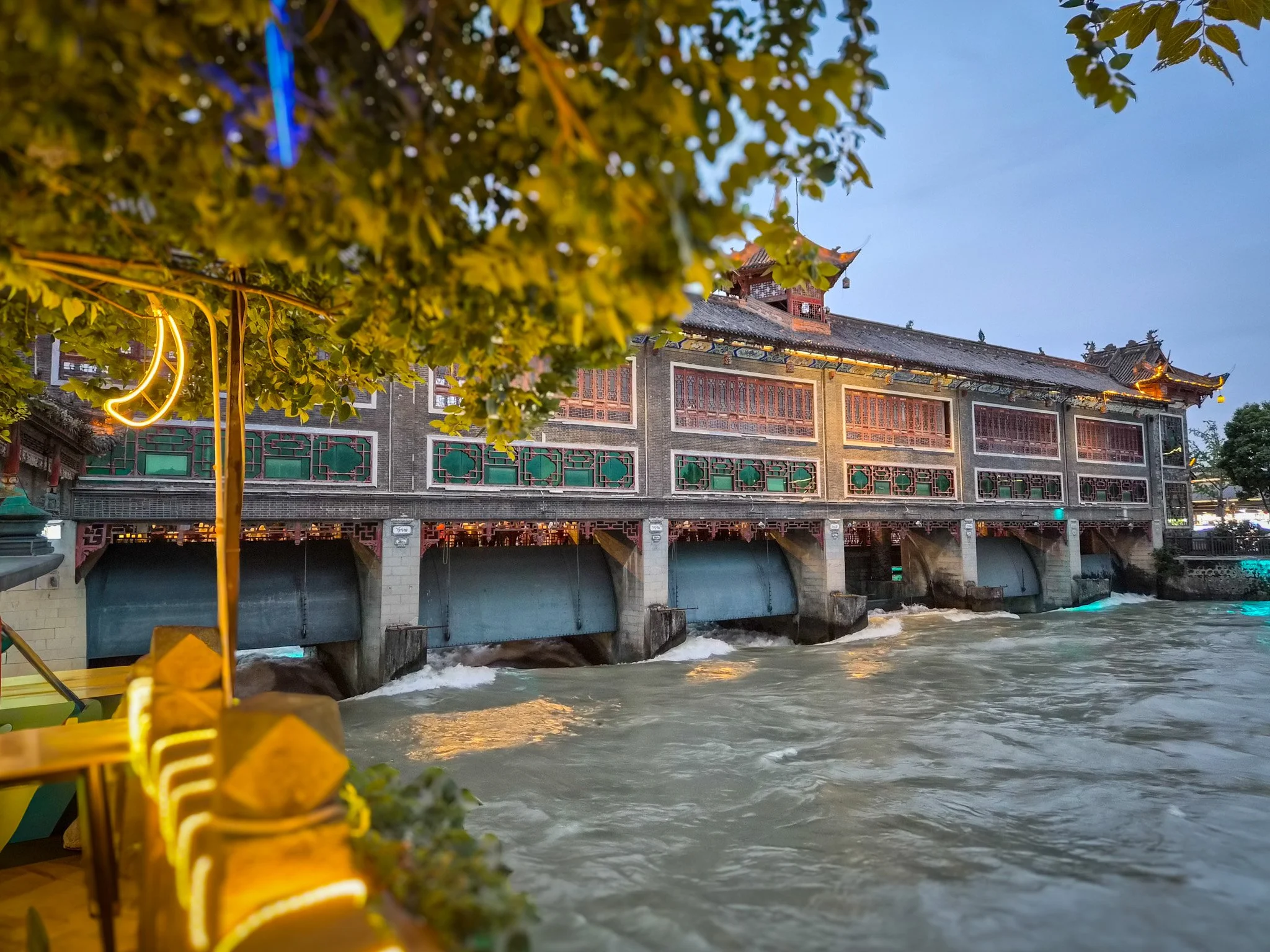
Dujiangyan City
Evening Adventure Awaits at the Dujiangyan City Centre Night Market
When the sun sets over the Sichuan Basin, the heart of Dujiangyan City awakens with vibrant energy at its bustling night market. It is an immersive experience where culture, flavor, and local life converge under strings of glowing lanterns. For travelers seeking authentic regional encounters, this evening hotspot delivers on every level.
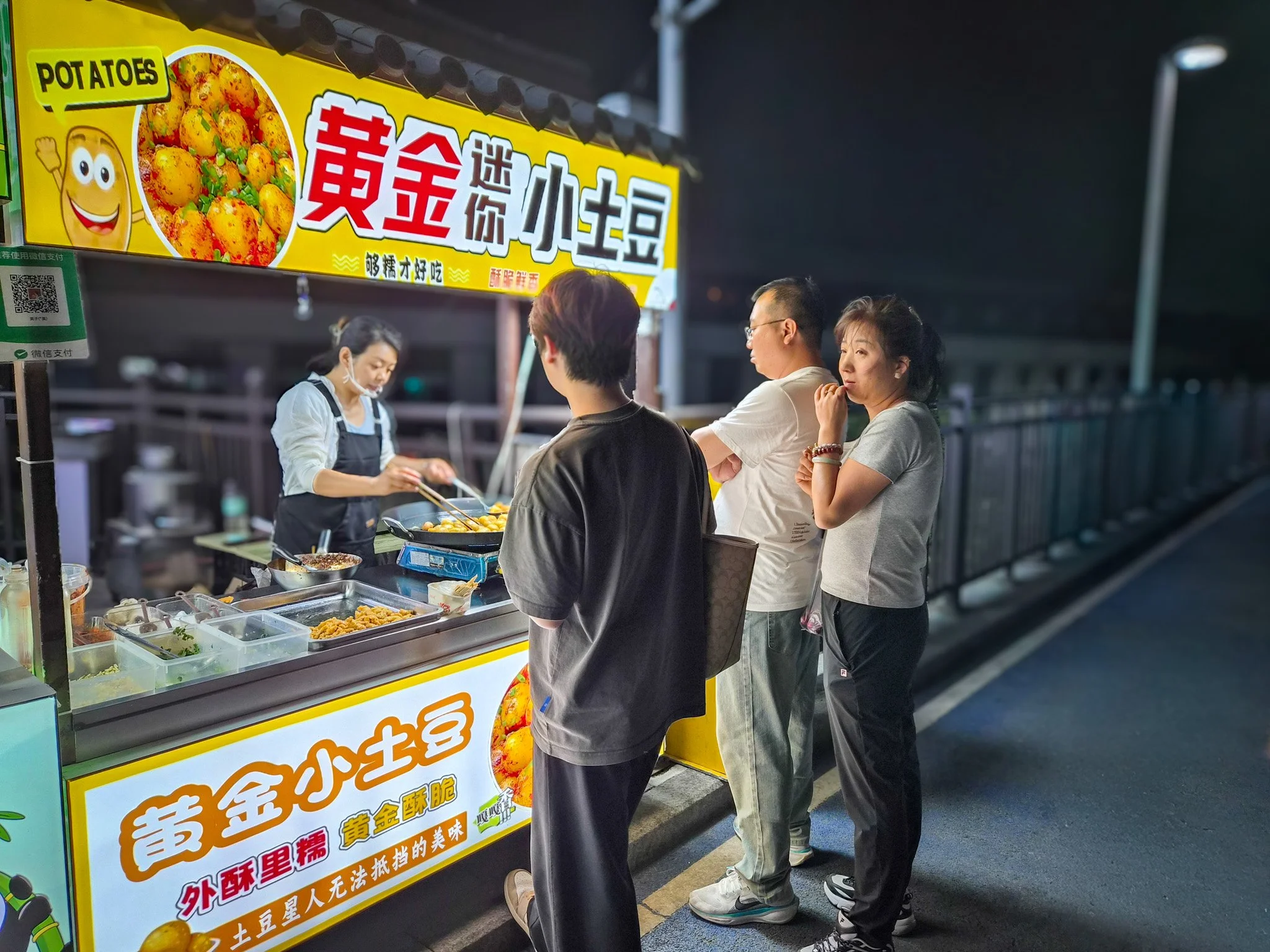
Wander through rows of family-run stalls to discover chuan'r (spicy grilled skewers), dan dan noodles, and zhong dumplings—each dish packed with the bold, numbing heat Sichuan cuisine is famous for. But beyond the food, the market also offers regional ingredients: fermented black beans, Sichuan peppercorns, and fresh chili pastes are all on display, often with vendors happy to explain their uses or use a translate app to discover what you are buying or eating before trying. We tried monk’s beard with walnuts and it was delicious.
Visitors can also browse handmade crafts, from intricate bamboo weavings to traditional paper cuttings. The girls felt confident to engage with local artisans who were very welcoming and excited to see them too.
To make the most of your visit:
Arrive after 8 PM for the full atmosphere and availability of specialty items
Bring small cash denominations for quicker transactions at smaller stalls
Wear comfortable shoes—cobblestone lanes and crowds mean a lot of walking
Practice a few basic Mandarin phrases to enhance interaction and respect local customs
Have a translate app like Google translate at hand to translate the signs and help you communicate with the vendors.
Look for the vendors selling the fried pork with Sichuan pepper, its a local dish and delicious!
7 Essential Tips for a Cultural & Nature-Focused Sichuan Adventure
Planning a journey through Sichuan? This region, where mist-shrouded mountains meet centuries-old traditions, rewards travelers who embrace both cultural depth and natural exploration. To make the most of your trip, consider these practical insights designed to enhance comfort, safety, and authenticity.
Prioritize Seasonal Timing for Optimal Conditions
Aim for spring (April–June) or autumn (September–October) when temperatures are mild, skies clearer, and panda enclosures less crowded. These seasons also align with local harvest festivals, offering immersive cultural moments in villages across the Chengdu Plain.Pack Smart for Rapid Climate Shifts
Sichuan’s terrain varies from lowland basins to alpine zones. Layering is key—include quick-dry clothing, a compact rain shell, and thermal wear if visiting high-elevation areas like Siguniang Mountain. Don’t forget sturdy, broken-in hiking shoes for bamboo forest trails.Learn Basic Mandarin Phrases for Rural Engagement
While English is common in Chengdu, rural areas rely on Mandarin or Sichuanese dialects. Simple greetings, food terms, and polite requests go a long way in fostering genuine connections during homestays or temple visits.Choose Eco-Certified Guided Experiences
Opt for local operators with recognized sustainability practices, especially for panda encounters, tea plantation tours, or trekking in Wolong Nature Reserve. These providers often follow animal welfare standards and support community-led conservation.Respect Cultural Norms at Sacred Sites
When visiting Buddhist temples or ethnic minority villages—like Qiang or Yi communities—observe dress codes, avoid pointing at religious icons, and ask before photographing people or rituals.Use Regional Transport Thoughtfully
High-speed rail efficiently connects major hubs like Chengdu and Leshan, but smaller towns may require buses or private transfers. Schedule extra buffer time during peak travel periods, such as Chinese New Year or National Day holidays.Support Authentic Craftsmanship
Seek out fair-trade markets or village cooperatives for genuine Sichuan embroidery, bamboo weaving, or porcelain—ideal ways to bring home meaningful souvenirs while sustaining traditional livelihoods.

Dujiangyan City River of Tears
Your Panda Adventure: Sichuan Travel Essentials
When is the best time to visit pandas in Sichuan?
The ideal months are spring (March to May) and autumn (September to November). During these periods, weather conditions are mild, visibility is high, and pandas are more active in their enclosures and natural habitats, especially in breeding seasons when cubs are often on display. We went in May and there were lots of teen pandas at Wolong cudling with the mums. Summer can bring heat and crowds, while winter, though quieter, may involve snow disruptions.
How do I plan travel logistics to panda reserves near Chengdu?
Most major panda research centers, including the Chengdu Research Base and Wolong Panda Center, are accessible within a 2–3 hour drive from downtown Chengdu. Public transport options exist but may require transfers; private transfers or guided group shuttles offer greater comfort and schedule flexibility, especially when carrying gear or traveling with children. We stayed in Qing Chen Mountain area and were fairly close to all of these atractions.
Are there age or health restrictions for panda tourism activities?
While most viewing areas are family-friendly and wheelchair accessible, some eco-trekking experiences—like bamboo forest hikes to observe pandas in semi-wild enclosures—require moderate physical fitness. Always check in advance if your itinerary includes elevation changes or extended walking, particularly if traveling with elderly companions or young children.
What should I pack for a Sichuan wildlife and culture trip?
Essential items include lightweight, moisture-wicking layers, a waterproof jacket, and sturdy hiking shoes with grip—Sichuan’s terrain can be humid and slippery. Don’t forget a refillable water bottle, binoculars for animal spotting, and eco-friendly sunscreen. A compact daypack helps organize essentials during reserve visits.
Can I interact directly with pandas?
No direct contact is allowed to protect animal welfare and visitor safety. However, some conservation-focused programs offer supervised feeding experiences under professional guidance—strictly regulated and often requiring advance booking. These opportunities emphasize education and sustainability over photo ops.
Is English widely spoken at Sichuan panda centers?
Major reserves provide bilingual signage and audio guides. Staff at ticket counters and visitor centers often have basic English proficiency, but having key phrases translated or using a translation app improves communication efficiency, especially in rural zones.
What cultural etiquette should travelers follow in Sichuan?
Respect local customs by avoiding loud behavior near reserves, never littering, and photographing people only with permission. Many rural communities value quiet coexistence with nature—aligning with this mindset enhances your experience and supports responsible tourism.
The Harmony of Luxury and Authenticity in Sichuan
True travel transformation happens when luxury doesn’t shield you from a destination—but connects you to it more deeply. In Sichuan, the seamless fusion of high-end comfort with authentic cultural and wildlife experiences creates a new standard for mindful travel. Rather than choosing between five-star amenities and immersive local encounters, travelers now expect both—and the most compelling journeys deliver exactly that balance.
Key to this approach is intentionality: selecting accommodations that prioritize local design, support conservation efforts, and embed regional traditions into the guest experience.
At Six Senses Qing Chen Mountain, this philosophy extends powerfully to families. For children, the resort offers an enriching blend of play and learning:
Daily Egg Hunt & Ice Cream Coin Exchange: Kids delight in visiting the resort's local farm each morning, collecting fresh eggs which they can then exchange for 'ice cream coins'—a sweet reward system that teaches responsibility and the farm-to-table journey.
Kids' Club Adventures: The dedicated children's club features nature-based programs, craft workshops using sustainable materials, and bamboo forest scavenger hunts that keep young explorers engaged and inspired.
Butterfly Catching & Conservation: In designated garden zones, children use butterfly nets (under guidance) to gently catch and learn about native species before releasing them—fostering appreciation for biodiversity.
Chinese Character Painting Workshops: Art classes introduce children to calligraphy, where they learn to paint simple Chinese characters using traditional brushes and ink, connecting them to Sichuan’s rich cultural heritage.
Family-Themed Rooms with Bunk Beds: Thoughtfully designed accommodations feature playful elements like bunk beds, panda-themed décor, and ample space for families, making stays comfortable and memorable.
Complimentary Panda Teddies: Every child receives a soft, sustainably-made panda plush upon arrival—a heartwarming touch that ties the experience to Sichuan’s most beloved resident.

Six Senses - Family room with bunk beds
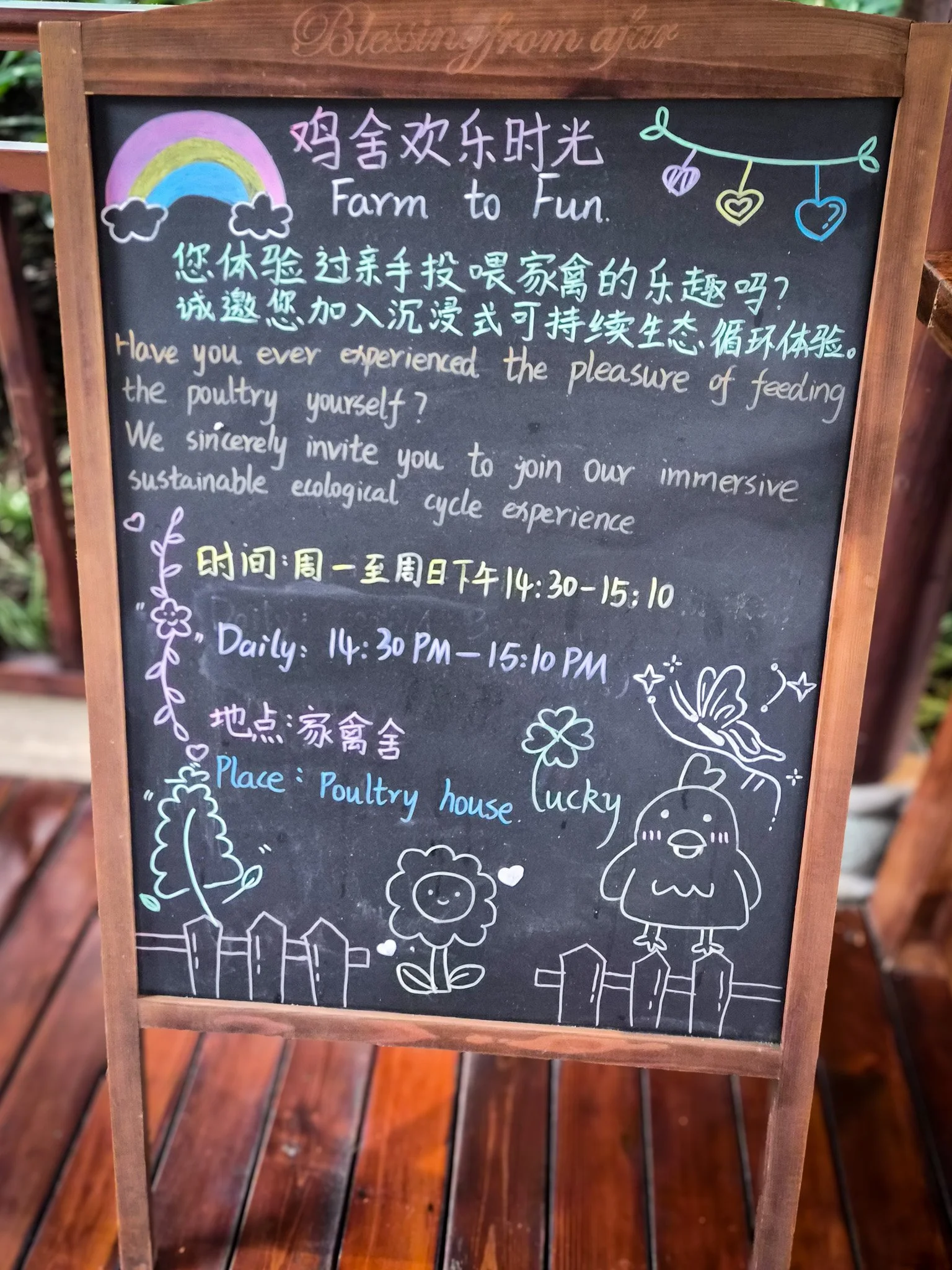
Six Senses daily activities for kids
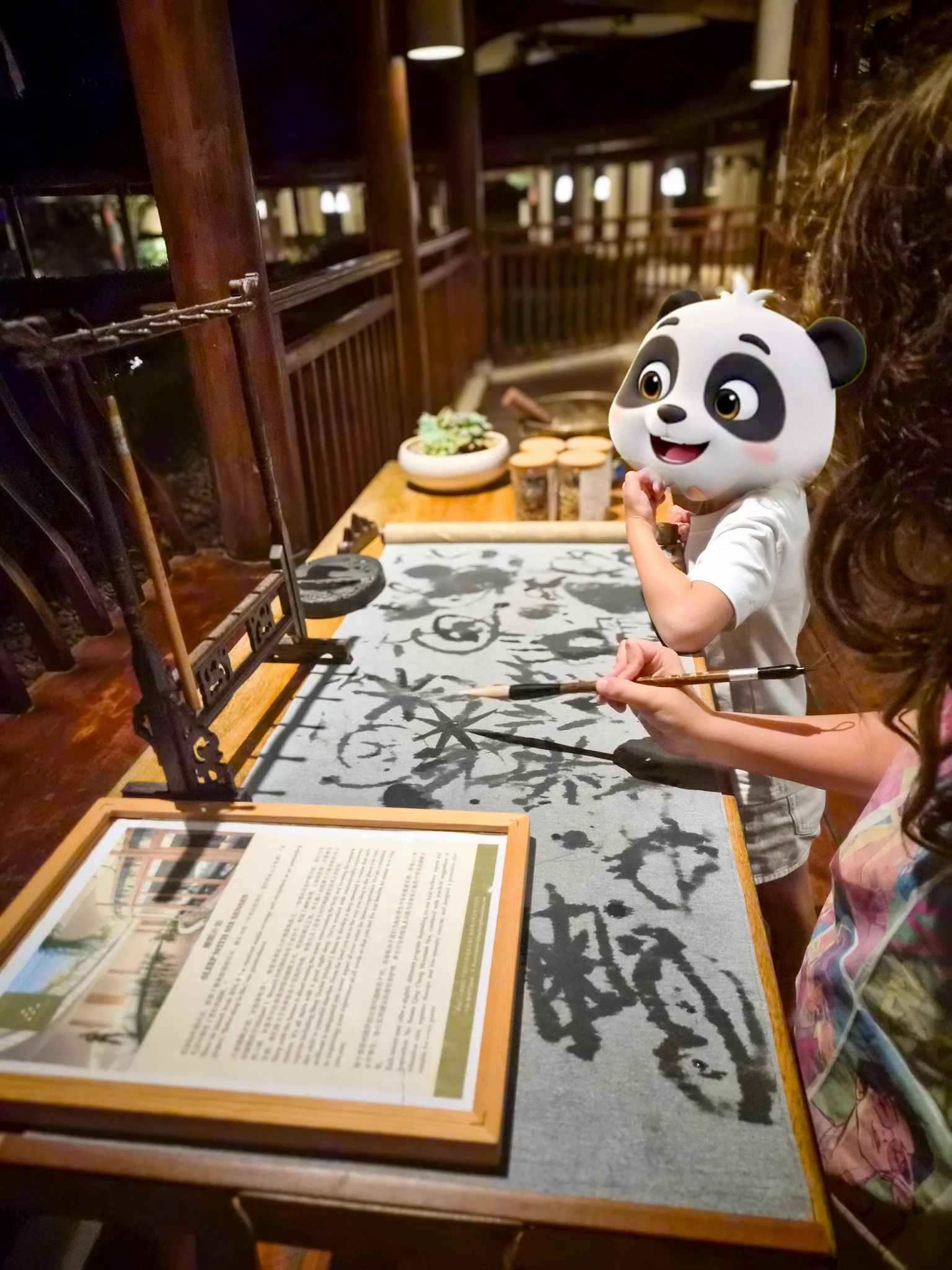
Learning to draw Chinese characters with water brushes